How Preventing Contamination Through Quality Control in Fish Processing Operations
By. Taufiq - 07 Jul 2026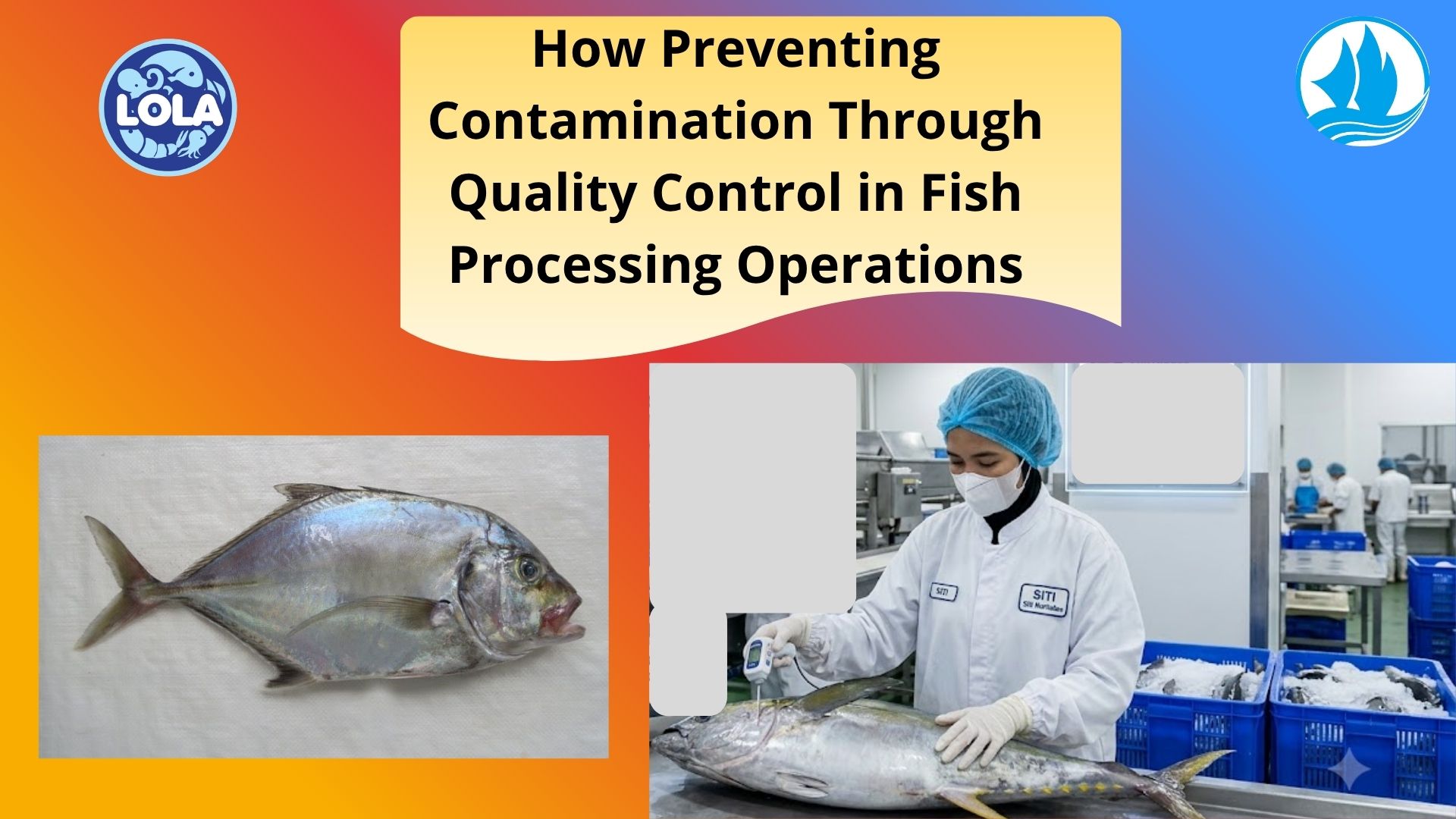
kelolalaut.com The global seafood industry is bound by a singular, uncompromising truth: fish is one of the most highly perishable commodities on earth. From the moment a fish is harvested from the water, a biological clock begins ticking. Microbial growth, enzymatic activity, and chemical oxidation immediately work to degrade the product. For fish processing plants, managing this biological race requires a strict approach to quality control (QC).
Preventing contamination is not merely a matter of regulatory compliance; it is an existential necessity. A single contamination event can lead to catastrophic product recalls, devastating financial losses, and, most importantly, severe public health risks. To safeguard consumers and protect brand reputation, fish processing operations must implement rigorous, multi-layered quality control systems engineered to stop physical, chemical, and biological contaminants long before they ever reach a package.
1. The Critical Blueprint: Hazard Analysis Critical Control Point (HACCP)
At the heart of modern contamination prevention is the HACCP system. Rather than relying on inspecting finished products—which only catches errors after they have occurred—HACCP is a proactive, preventative framework that identifies where contamination is most likely to happen and stops it dynamically.
Within a fish processing plant, quality control teams identify Critical Control Points (CCPs). These are specific steps in the production line where a hazard can be prevented, eliminated, or reduced to safe levels.
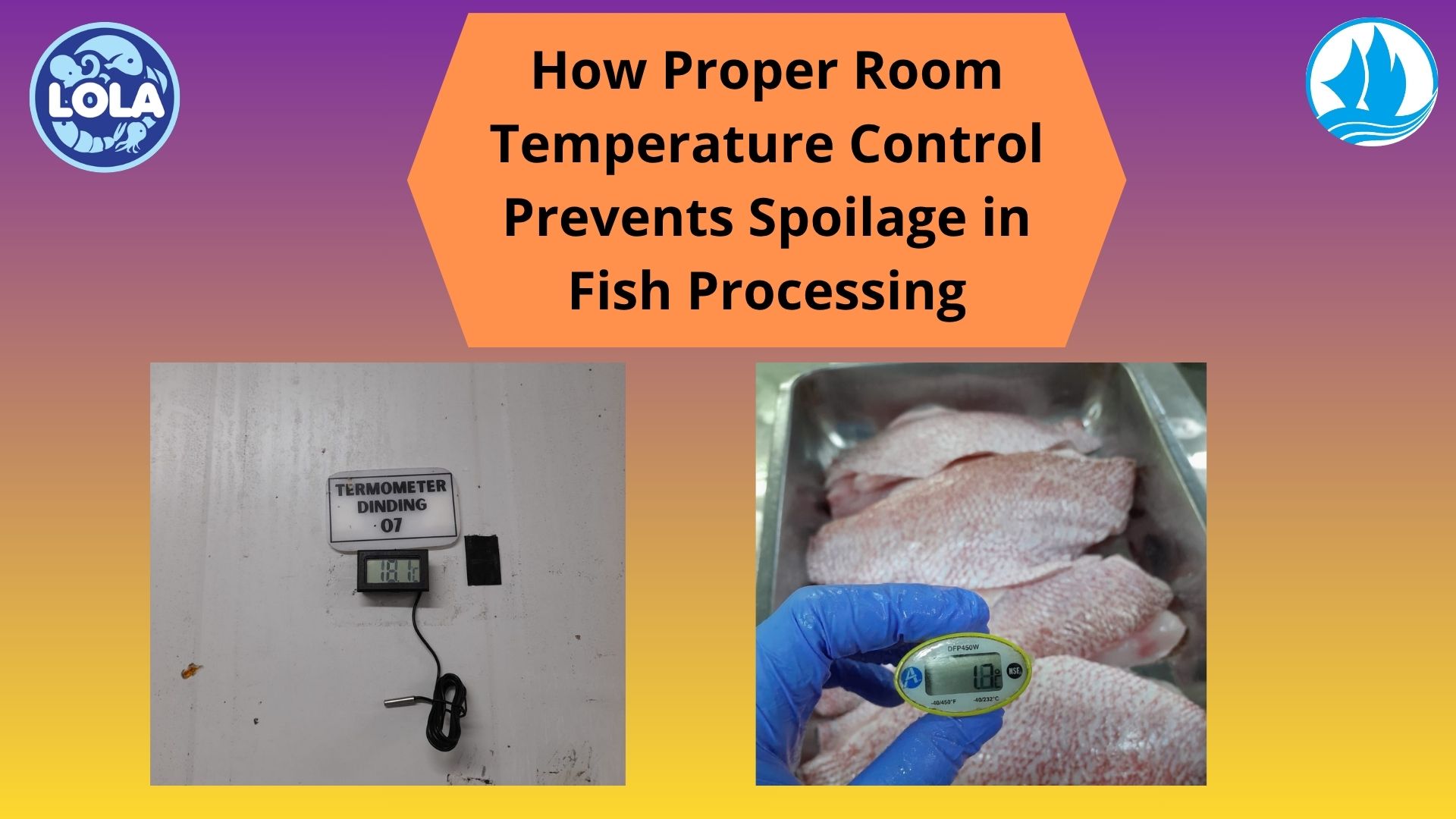
- Receiving Raw Material: The very first CCP. QC technicians check the internal temperature of the fish upon arrival. If raw fish has spent too long in the "danger zone" (above 4°C), histamine-producing bacteria can multiply, creating chemical toxins that cannot be destroyed by later cooking or freezing.
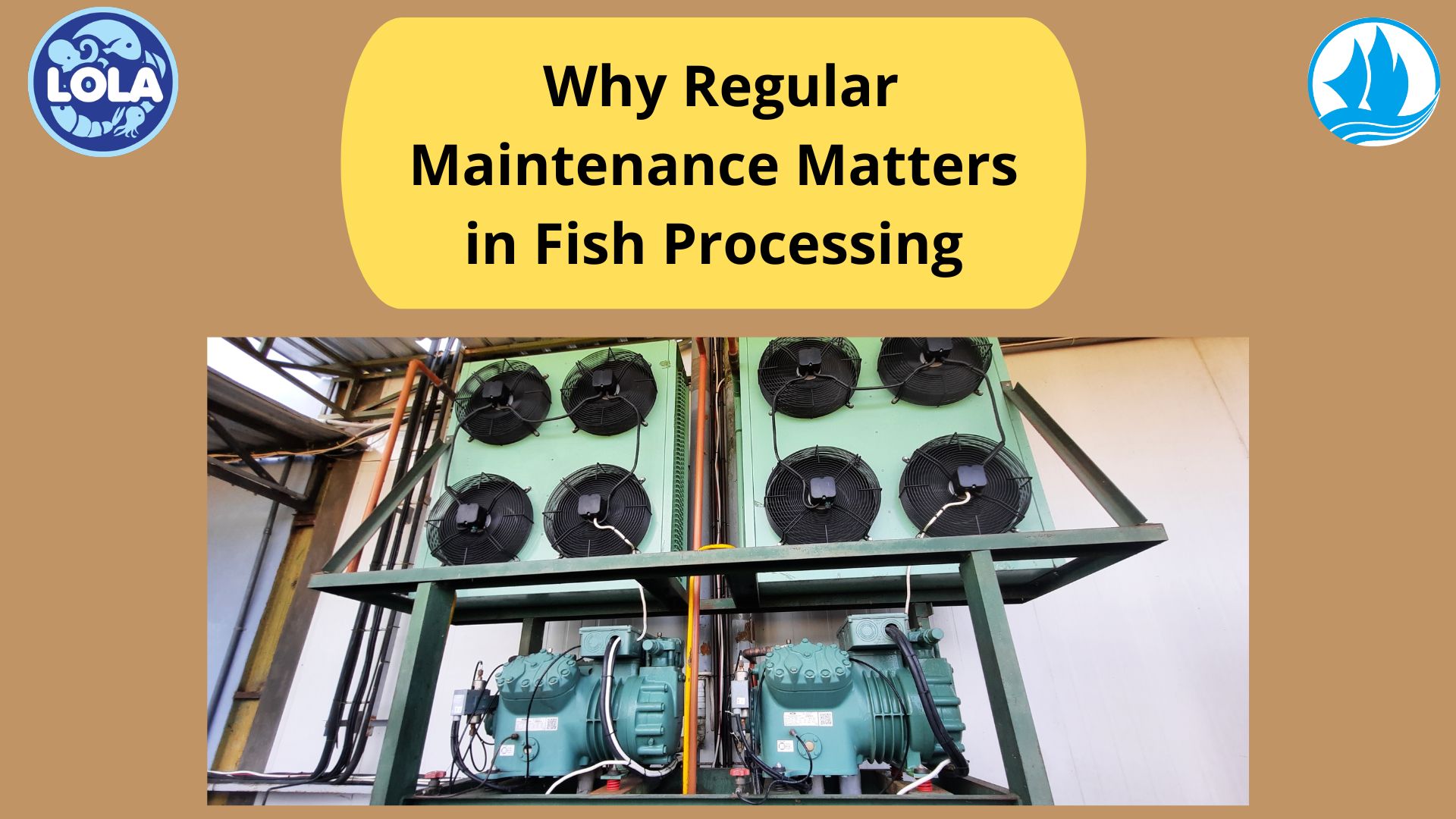
- The Chilling and Freezing Phase: Maintaining the cold chain is critical. QC parameters dictate constant monitoring of blast freezers and cold storage units to stop bacterial replication in its tracks.
2. Sanitation Standard Operating Procedures (SSOPs)
Biological contamination, particularly from pathogens like Listeria monocytogenes and Salmonella, is the most persistent threat in wet environments. Because fish processing involves high amounts of organic material, blood, and slime, machinery can easily harbor dangerous biofilms if left unchecked.
Preventing this requires the strict enforcement of Sanitation Standard Operating Procedures (SSOPs).
The Deep Clean Cycle
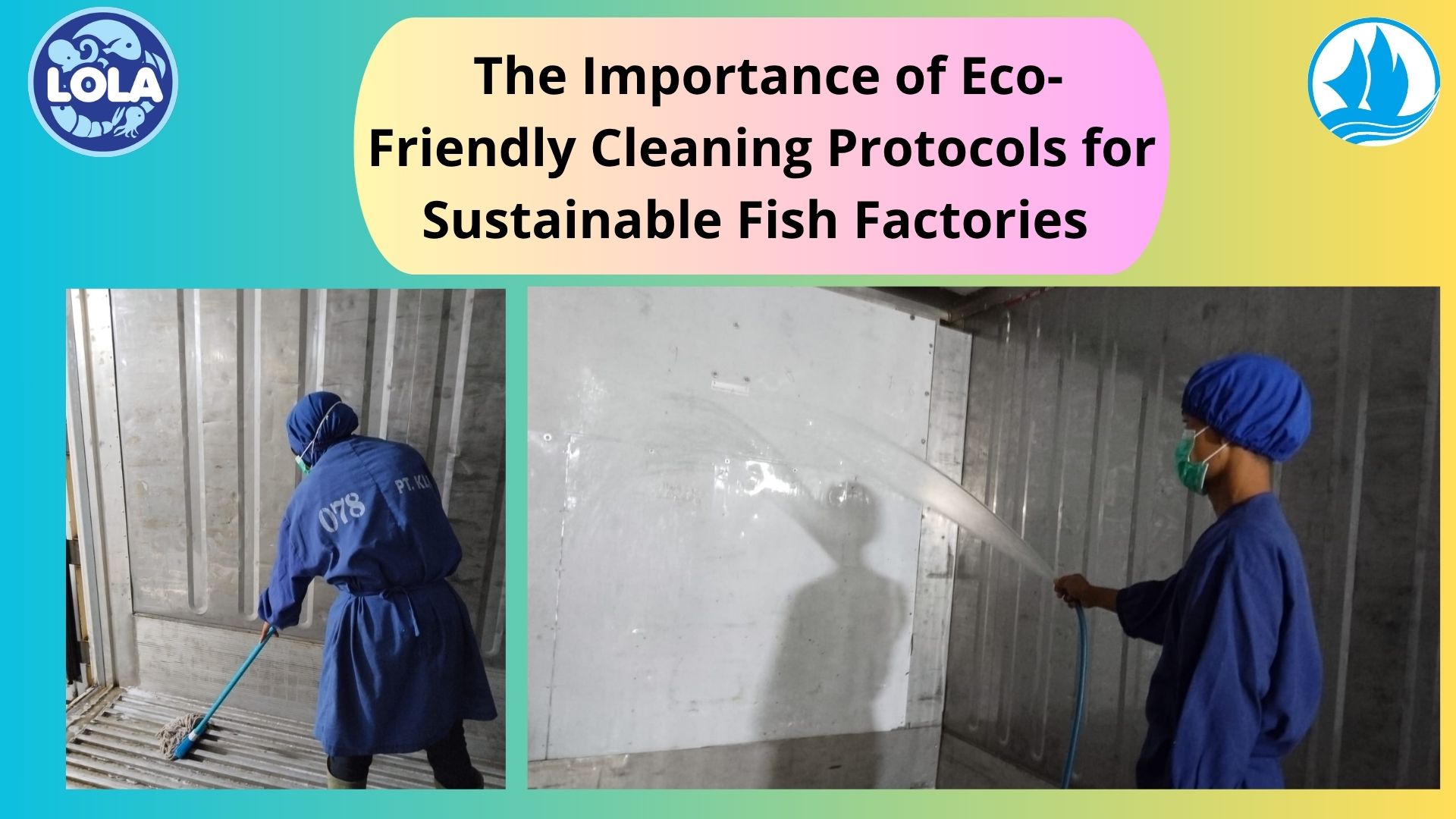
Quality control protocols mandate a rigorous, multi-step sanitation cycle at the end of every shift:
- Dry Clean: Removing loose fish pieces and debris from conveyor belts and gutting tables.
- Pre-Rinse: Using warm water to loosen remaining organic soils.
- Detergent Application: Applying targeted foaming agents to break down proteins and fats.
- Post-Rinse and Sanitize: Using food-safe chemical sanitizers to eliminate microscopic pathogens on all food-contact surfaces.
QC personnel use ATP bioluminescence swabs immediately after cleaning to verify surface cleanliness in real time, ensuring no invisible organic residue remains before the next production run begins.
3. Personnel Hygiene and Zoning
Humans are frequent vectors for contamination. In a busy processing plant, cross-contamination between different areas—such as transferring bacteria from the dirty "raw intake zone" to the clean "ready-to-eat packaging zone"—is a constant risk.
Quality control prevents this through strict facility zoning and personal hygiene barriers. Employees are physically restricted to specific zones. Before entering a processing room, staff must pass through hygiene stations requiring hand sanitization, boot washing, and the deployment of clean personal protective equipment (PPE) including hairnets, masks, gloves, and dedicated aprons.
4. Mitigating Physical and Chemical Contamination
While bacteria dominate the headlines, quality control must also address physical and chemical foreign objects.
- Physical Hazards: Fish hooks, bone fragments, metal fragments from processing blades, or plastic from crates can accidentally enter the food stream. QC systems employ industrial metal detectors and X-ray inspection machines at the final packaging stage to automatically scan and reject any contaminated packages.
- Chemical Hazards: This includes cleaning chemical residues or non-food-grade lubricants. Quality control ensures that only H1 food-grade lubricants are utilized on machinery above the production line, and automated chemical dosing systems are calibrated perfectly so no toxic cleaner residue stays on the equipment.
- If youre interested in our Baby Octopus Flower, Baby Octopus Whole Cleaned, Baby Octopus Whole Round, Barramundi Fillet Portion Cut, Barramundi Fillet Skin On, Barramundi Fillet Skin On. Barramundi Fillet Skinless, Barramundi Whole Round / Whole Gilled Gutted Scaled,Black Pomfret Portion Cut, Bonito Fillet Loin,Bonito Fillet Portion Cut,Bonito Whole Round,Catfish Fillet Skinless,Catfish Steak,Catfish Whole Round / Whole Gilled Gutted,Cobia Fillet Skin On,Cobia Fillet Skinless,Cobia Whole Round / Whole Gilled Gutted,Coral Trout Fillet Skinless,Coral Trout Fillet Skinless,Coral Trout Whole Round,Corvina / Croaker / Jew Fish Whole Round / Whole Gilled Gutted Scaled,Corvina / Croaker / Jewfish Fillet Skin On,Corvina Fillet Skin Patch,Whiting Fish Whole Round,Parrotfish Fillet Skinless,Red / Scarlet Snapper Fillet Portion,Red / Scarlet Snapper Fillet Skin On,Red / Scarlet Snapper Indonesian Seaperch Whole Round / Whole Gilled Gutted Scaled,Red / Scarlet Snapper Saddle Tailed Seaperch Whole Round / Whole Gilled Gutted Scaled,Shark Belly,Shark Cartilage,Shark Fillet,Shark Flake,Snapper / Red Bass Whole Round / Whole Gilled Gutted Scaled,Snapper Fillet Skinless,Snapper Mangrove Jack Whole Round / Whole Gilled Gutted Scaled,Spanish Mackerel Cutlet / Kingfish Steak,Squid Flower Cut,Squid Ring, Squid Skewer,Squid Tube,Squid Whole Cleaned,Squid Whole Round,Sweetlips Fillet Skin On,Sweetlips Fillet Skinless,Sweetlips Whole Round / Whole Gilled Gutted Scaled,White Snapper / Robinson Sea Bream Fillet Skin On,White Snapper / Robinson Seabream / Seabream Whole Round / Whole Gilled Gutted Scaled,Cuttlefish Fillet.Cuttlefish Pineapple Cut,Cuttlefish Whole Cleaned,Cuttlefish Whole Round,Emperor Fillet Skin On,Emperor Fillet Skinless,Emperor Grass Whole Round / Whole Gilled Gutted Scaled,Emperor Red Spot Whole Round / Whole Gilled Gutted Scaled,Emperor Whole Round / Whole Gilled Gutted Scaled,Giant Trevalley Fillet Skin On,Giant Trevalley Whole Round,Goldband / Crimson Snapper Fillet Portion Cut,Goldband / Crimson Snapper Fillet Skin On,Goldband / Crimson Snapper Whole Round / Whole Gilled Gutted Scaled,Grouper Black Dotted Whole Round,Grouper Fillet Portion Cut,Grouper Fillet Skinless,Gummy Shark Fillet,Halibut Fillet Skinless.Indian Mackerel Whole Round / Whole Gilled Gutted,Itoyori / Golden Threadfin Fillet Butterfly,Mahi-Mahi Fillet Skinless,Octopus Leg,Parrotfish Fillet Skin On please do not hesitate to contact us through email and/or Whatsappp
.jpg)
.jpg)
.jpg)
